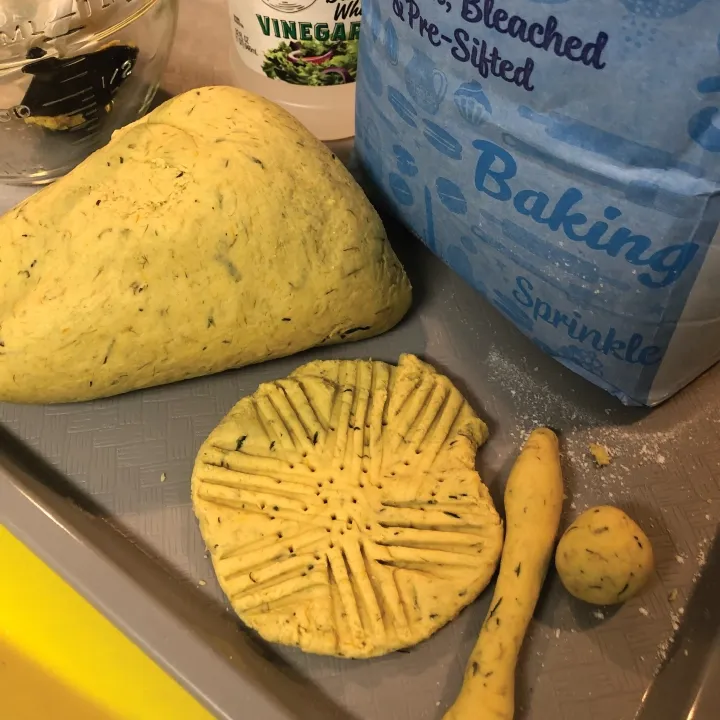
Mix up some fun with summer blooms and playdough!
What you’ll need:
- A BIG handful of dandelions.
- 1 cup of boiling water.
- 2 cups of flour.
- ⅓ cup of salt (add more as needed).
- 2 tablespoons of baby oil (substitution: vegetable oil).
- 1-2 tablespoons of cream of tartar (Substitution: white vinegar. Like cream of tartar, white -vinegar is acidic).
- Optional- Blender (helps to blend the water with the dandelions to make a vibrant yellow).
Directions:
- Bring one cup of water to a boil and remove from heat. Cool slightly only if adding directly to the blender. Water can be heated using a microwave if you use a microwave safe container and oven mitt or other hand protection when removing the container after microwaving.
- In a blender, mix the hot water and dandelions OR enlist the help of your kiddos for this process! Separate the dandelions into pieces, pulling, tearing and mashing as they go. Sprinkle the dandelions into the boiled water to steep.
- Transfer the hot water to a bowl and add oil, salt, and cream of tartar. Stir until the salt is dissolved.
- Add 2 cups of flour to the mixture and mix well.
- With your hands, continue to mix. If it is sticky, sprinkle in more flour and knead until it no longer sticks. The amount of flour that you may need will vary based on how much moisture the dandelions contain.
Tips and Tricks:
- Your blender will survive! If you pulverize the dandelions too much with the blender, it may not preserve as much of the yellow color. Try different levels of shredding.
- Use fresh dandelions.
- You can substitute white vinegar, though cream of tartar is preferred.
- Using baby oil will give your mixture a nice fragrance.
- You can add additional flour and salt. Adding more salt can cause the playdough to last longer, but you may feel the texture of the salt on your hands when playing with the playdough. If your kids are sensory defensive, use less salt.
- You might consider using a wooden spoon because plastic spoons may break.
- Not all yellow flowers are dandelions. Talk with your kids during your walk about the different types of petals and leaves. Have them identify by comparing and contrasting. Don’t pick your neighbors prized daisies by mistake! Be safe out there.
How does playdough prepare kids for kindergarten?
- Sensory play. Sensory play that lets children touch, smell and feel helps build connections in the brain that facilitate learning.
- Fine motor skills. Playdough can be squeezed, rolled, pinched, molded and flattened all using hand and finger muscles later used for writing. Grasp, push, pull, and roll with a rolling pin to strengthen both hand and forearm muscles. Playdough is unbeatable for practicing scissor skills. Roll out snakes and give them a haircut! Do snakes have hair?
- Spatial or visual thinking. Being able to imagine the positions of objects and how they interact is an important skill for learning math. Use cookie cutters, toys and plastic cutlery with playdough. Create shapes, make impressions of objects, stack, arrange and pretend!
- Pretend play. Make meatballs, worms, or roll dandelion cookies. Have your kids “teach” you to use a knife and fork. Children gain social and emotional skills through dramatic play. When they pretend, they are experimenting in social roles, practicing language, and solving problems.
- Language. Comparing and contrasting is a great way to develop vocabulary. Not all yellow flowers are dandelions. Talk with your kids during a nature walk about the different types of petals and leaves. Don’t pick your neighbors prized daisies by mistake! Compare how playdough feels to sand, or shaving cream! Talk about hard and squishy, cold and hot, rough and smooth.
- Creativity. Kids love to create from their imaginations, and creative play builds problem-solving skills.
Play Along Video
Discovery Center News
-
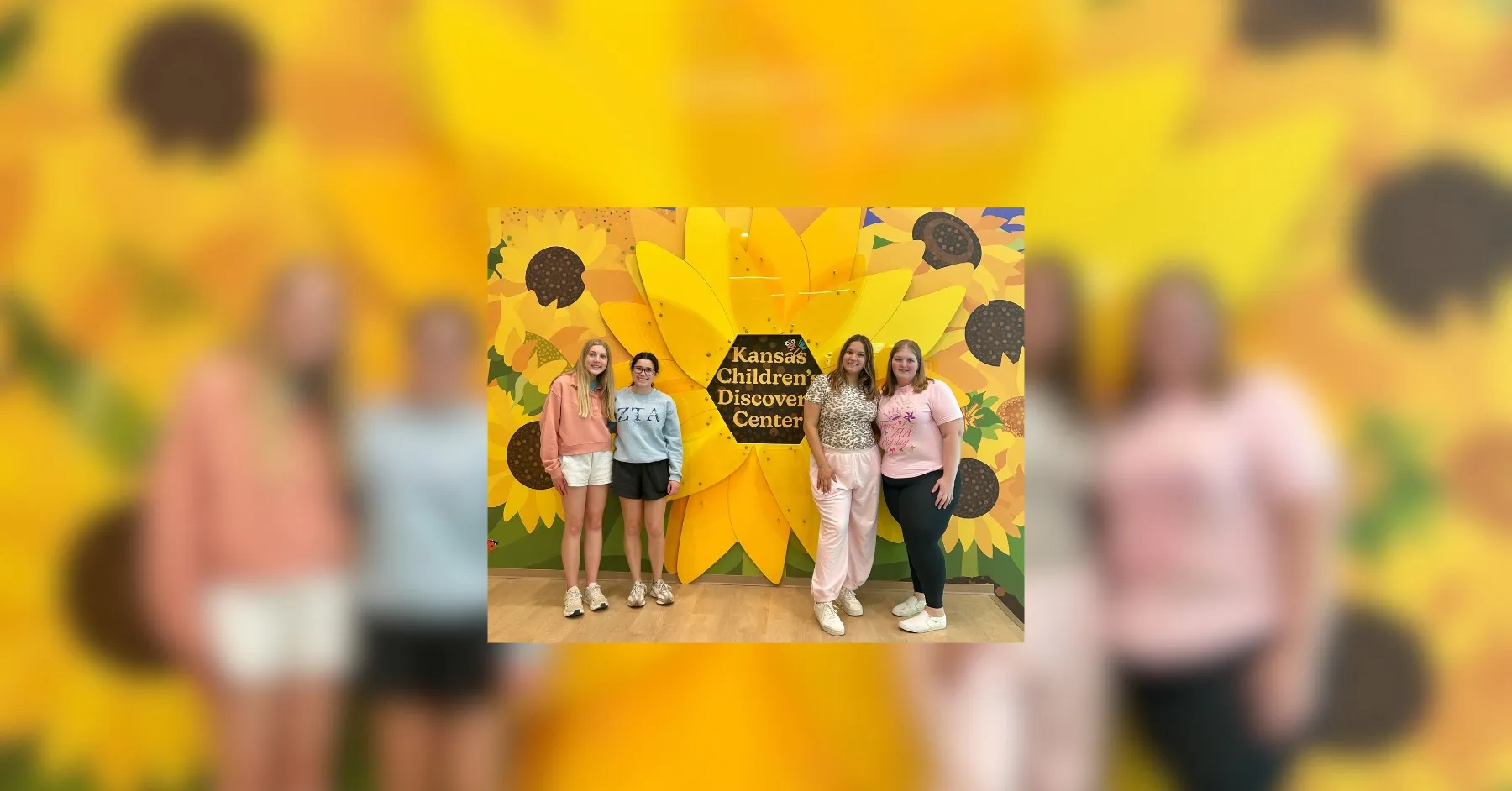
September 28, 2026
Volunteer Spotlight: Zeta Tau Alpha at Washburn University
Zeta Tau Alpha Lends a Helping Hand at the Discovery Center Thank you, Zeta Tau Alpha from Washburn University, for volunteering here at...
-
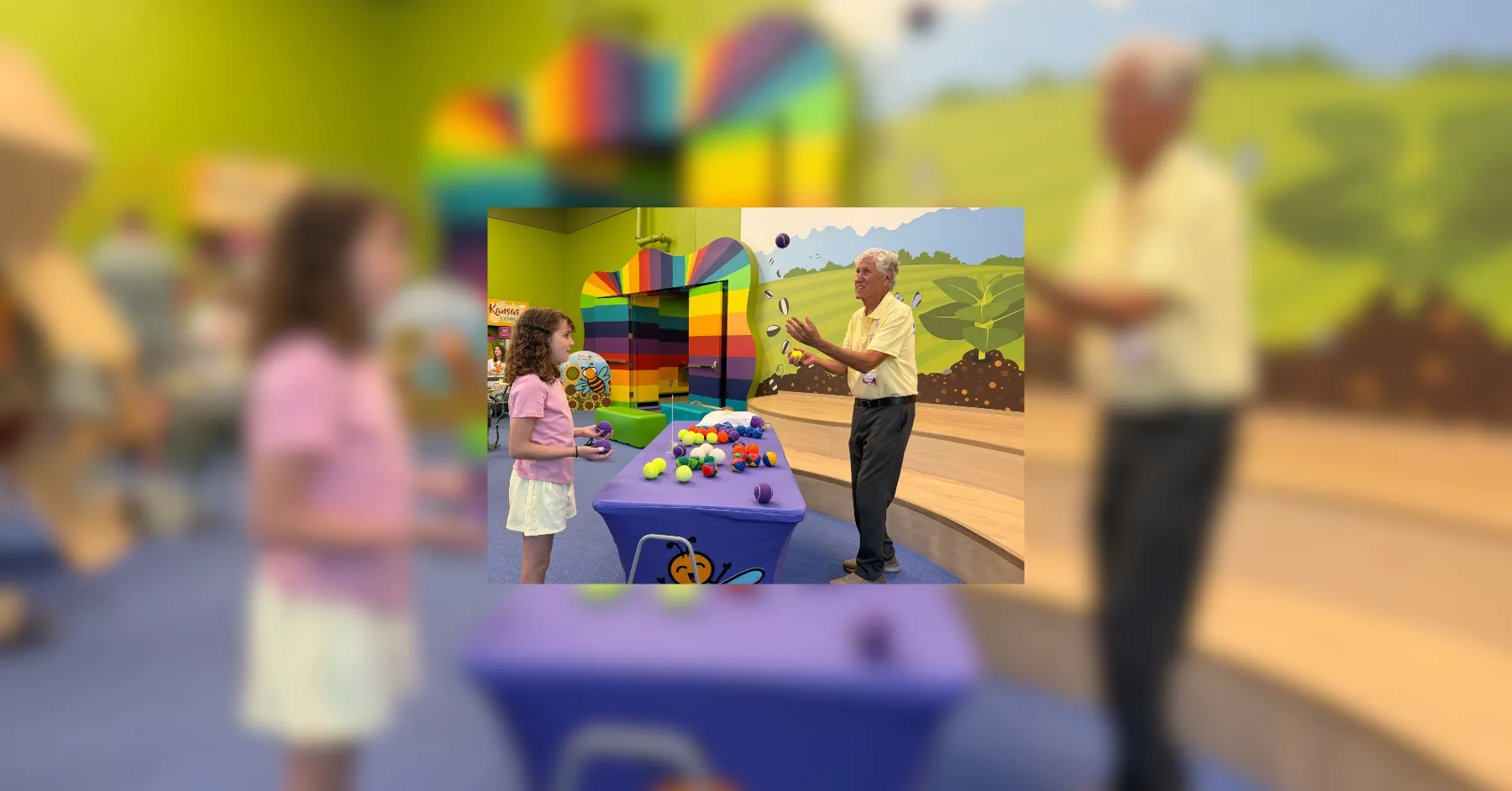
September 14, 2026
Volunteer Spotlight: Juggling Master Dr. Rusty!
Thank you Juggling Master Dr. Rusty! After 37 years as a radiation oncologist with Stormont Vail and St. Francis through Radiology and...
-
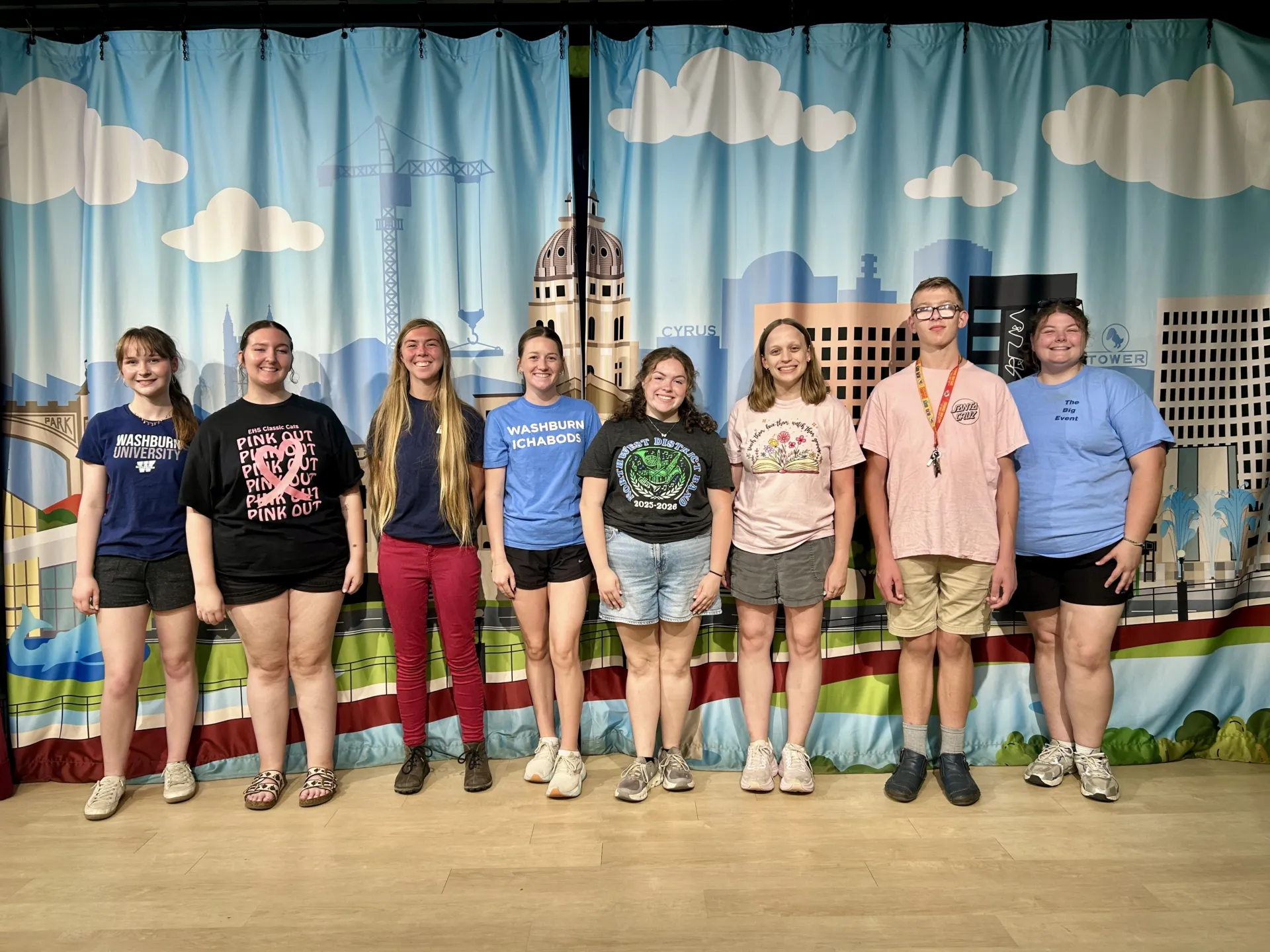
September 1, 2026
Volunteer Spotlight: Washburn University Aleshire Center for Leadership and Community Engagement
Thank you Washburn University Aleshire Center for Leadership and Community Engagement! A big thank you to our rockstar friends from...