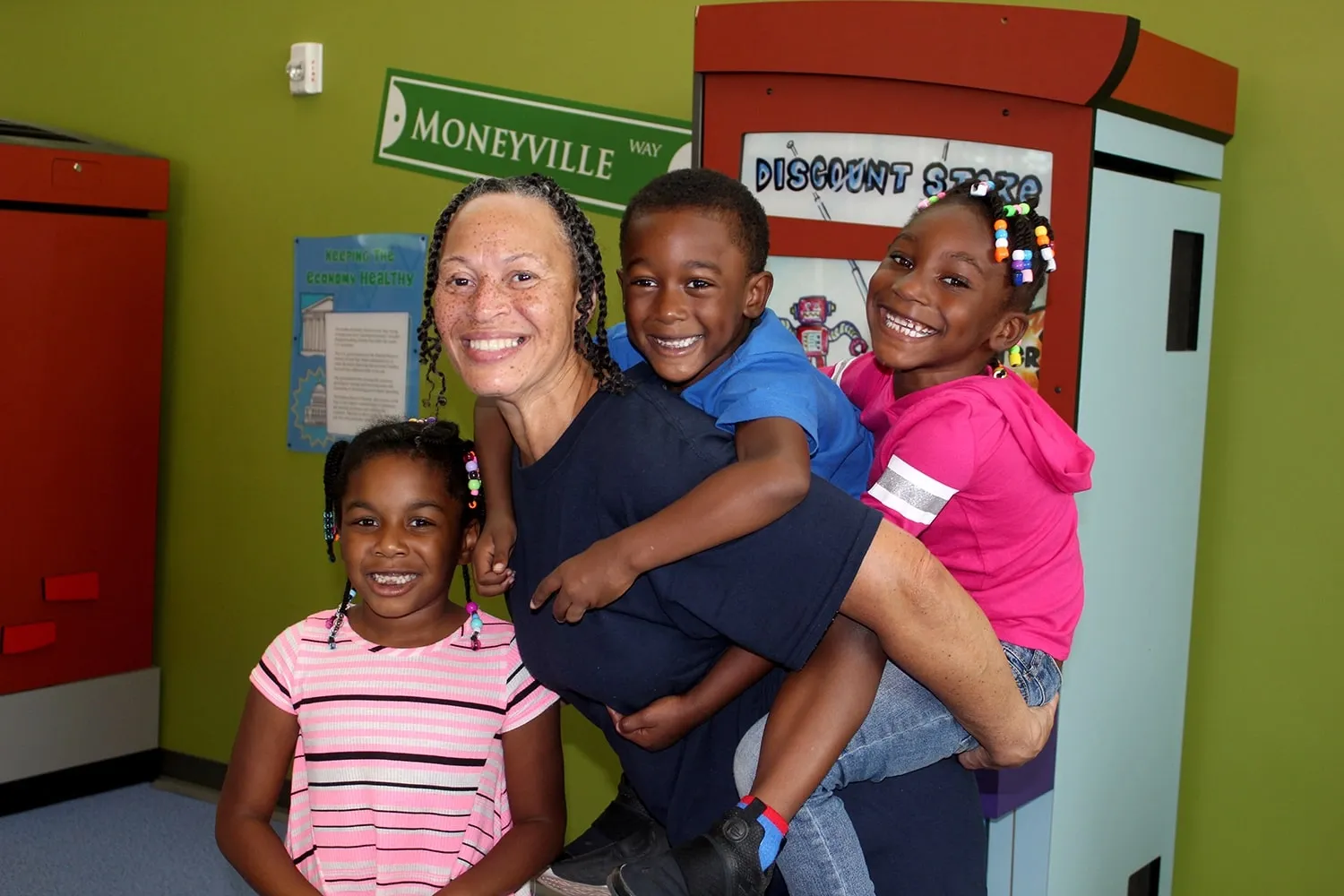
Play-based education and exploration for children with incarcerated parents.
What is Play Free?
Play Free is a program of the Kansas Children’s Discovery Center that uses play-based learning to strengthen relationships between incarcerated parents and their children. Launched as a museum-based pilot in 2018 in partnership with Topeka Correctional Facility, Play Free has grown into a successful statewide program that has hosted 79 events and welcomed more than 3,800 participant visits, laying the foundation for national expansion.
Why do kids need Play Free?
Children don’t stop needing hugs when a parent is incarcerated.
More than five million U.S. children have had at least one parent in prison. Through no fault of their own, these children have experienced the pain and confusion of separation from a parent. Research has linked having an incarcerated parent to a wide range of childhood health problems including asthma, depression, anxiety, acting-out behavior, grade retention, alcohol and drug abuse, and higher numbers of Adverse Childhood Experiences (ACEs). Prison-based programs frequently focus on building parenting skills, with comparatively few programs serving the children themselves and fewer still actively promoting bonds between children and their incarcerated parents.
Children learn critical skills through play, particularly numeracy, language, resilience, and communication. Play-based learning is particularly important for children who have experienced trauma and loss, as it allows them to create a world in which they control what happens. The educational value of play for adult participants is also important. Willingness to engage in playful activities as an adult has been linked to psychological well-being, relationship satisfaction, and creativity. Critically for incarcerated populations, adult playfulness is a highly effective tool for stress reduction and problem-solving that creates more resilient adults. Parent playfulness also encourages the same behavior in children, with positive results including child adaptability.
Simply put: Play Free strengthens families by promoting healthy relationships between children and their incarcerated parents.
Research sources: Murphey & Cooper (2015), Child Trends; Parker (2022), research on the developmental benefits of play; Yue (2016), research on adult playfulness and psychological well-being; Jovanović (2020), research on adult playfulness, stress reduction, and problem-solving; Shen (2017), research on parent playfulness and child adaptability.
Play Free Development
Foundations
The Discovery Center has a long history of support for museum access and creating child-centered programs. Inspired by Children’s Museum of Manhattan’s partnership with Riker’s Island Jail in New York, the Discovery Center contacted Topeka Correctional Facility, the only women’s prison in the state of Kansas, in early 2018 to create opportunities for women to bond with their children at the museum. Play Free in Kansas works with the Women’s Activity Learning Center (WALC) program at Topeka Correctional Facility, the Kansas Department of Corrections, and each prison served by the program to provide this opportunity to families. The program is funded by generous private donors and the Kansas Department of Corrections.
2018 | Play Free begins
Kansas Children’s Discovery Center partners with Topeka Correctional Facility to reimagine visitation for children with incarcerated mothers. Mothers and children come to the Discovery Center for the first time on October 1, and spend a full day bonding and enjoying the museum. Incarcerated mothers help design the experience and give it its name: Play Free.
2020 | Play Free goes virtual
When in-person visits are suspended, the museum creates customized learning kits for children and their incarcerated parents, helping families connect through shared activities and books.
2023 | Leaders takes notice
Play Free passes the 1,000 participant milestone. The Kansas Lt. Governor and Department of Corrections Secretary visit Play Free and return with Kansas prison wardens. The visits spark interest in bringing the model to facilities across the state.
2024 | Statewide expansion
The Discovery Center adapts its Mobile Museum to bring Play Free to communities where transporting incarcerated parents to Topeka isn’t practical. This expands the program to incarcerated fathers and juvenile parents. The Department of Correction contracts with the Discovery Center to redesign visiting rooms inside prisons.
2025 | Developing the model
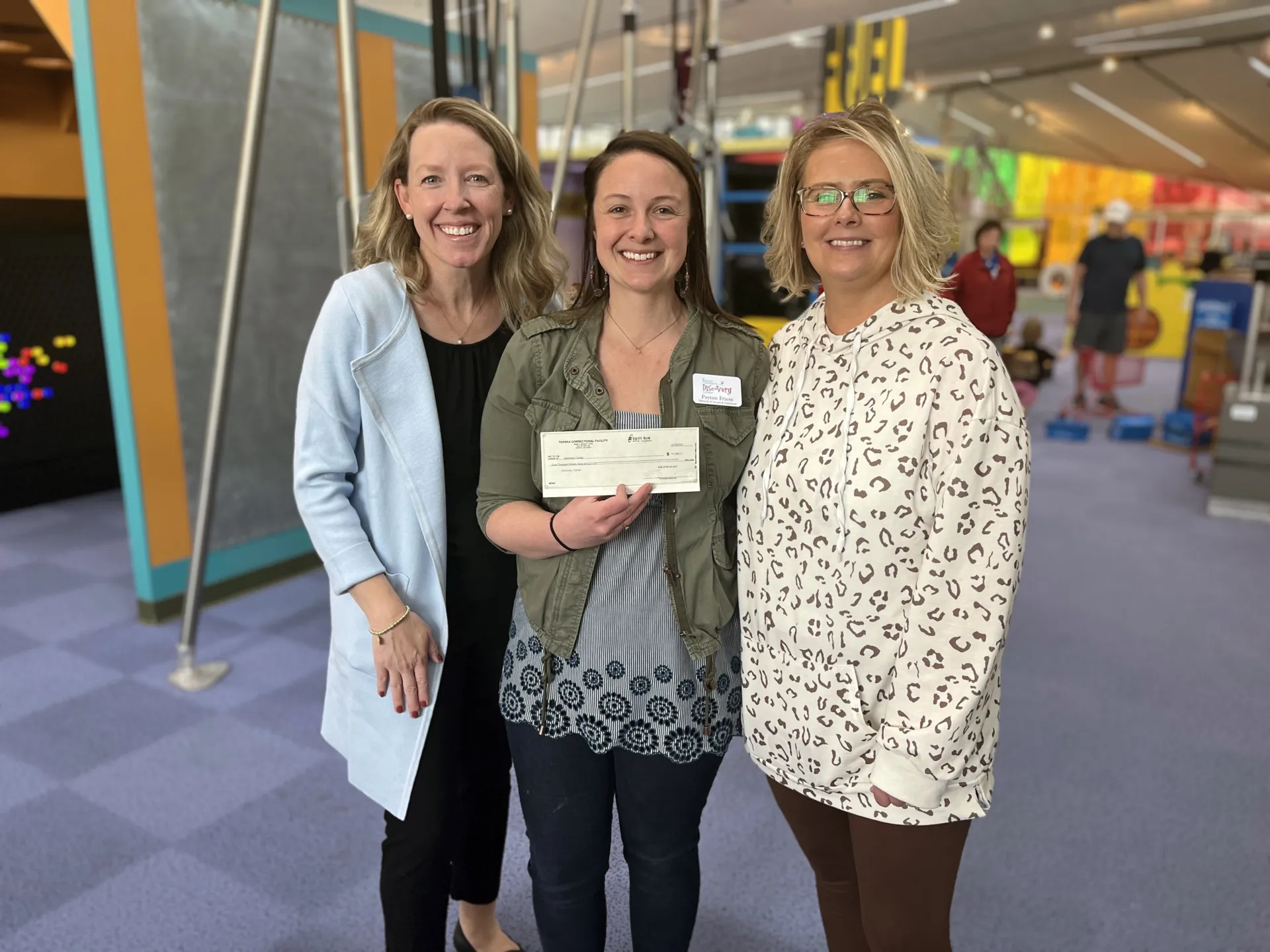
The Discovery Center continues Play Free sessions at the museum and in communities statewide, while designing visiting rooms. Topeka Correctional Facility residents donate more than $5,000 to support the program. Six mothers at Topeka Correctional Facility participate in Kansas’ first Lullaby Project, creating and recording original lullabies for their children.
2026 | National expansion
The Play Free Field Accelerator, scheduled for October 2026, brings correctional systems and cultural institutions together in Topeka with the training and resources they need to build a program in their state. Play Free is expanding because every child, regardless of where they live, should have access to child-centered family connection.
Play Free Framework
Research consistently demonstrates that joyful play and responsive relationships are essential to healthy child development. Through play, children learn, grow, build relationships, create memories, and experience belonging.
For nearly eight years, the Kansas Children’s Discovery Center and Kansas Department of Corrections have been learning what happens when those same principles are intentionally extended to children with incarcerated parents. What defines the Play Free approach?
Physical contact during visitation. Children don’t stop needing hugs when a parent is incarcerated. At Play Free, families are free to hug, cuddle, sit together, and connect naturally.
Developmentally appropriate spaces. Play Free creates engaging spaces where children can safely explore and their surroundings spark joy, connection, and curiosity.
Free movement and choice. Children learn through exploration, movement, and choice. At Play Free, families choose how and where they spend their time together over long periods of time.
Meaningful family moments. Play Free intentionally creates opportunities for everyday parenting like shared meals, family photos, playing games, hair styling, and holiday celebrations.
Parent connection. Caregivers step back to maximize direct parent-child interaction, giving incarcerated parents space to step forward as parents, playing and connecting with children.
Participant leadership. Play Free is directed by the participants themselves. Program decisions are made with them, not for them, ensuring the program evolves around family needs.
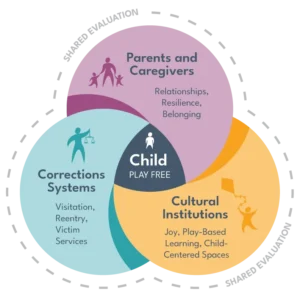
Research sources: Centers for Disease Control and Prevention; The Pew Charitable Trusts; Harvard Center on the Developing Child; Poehlmann-Tynan, J. & Turney, K. (2021), Child Development Perspectives; Poehlmann et al., research on children’s contact with incarcerated parents.
Participant Perspectives
94% of Play Free participants report improved daily choices during incarceration
98% of caregivers affirm the program’s importance for their children
“I want to thank you from the very depths of my heart for the graciousness, mercy, and intentional time you poured into my family today. What you offered was far more than an experience, it was a gift. Watching their faces light up, seeing their laughter, curiosity, and pure joy as they shared this day with their father was something I will never forget. For them, this was a rare and beautiful moment of freedom, connection, and normalcy, one that will stay with them for a lifetime. You reminded my children that they are worthy of joy, and you reminded their father that his role and presence matter deeply. That is powerful beyond words.”
“My daughter said: ‘this is the best day ever!’ It was wonderful to experience such a memory.”
“If I stay out of trouble, I can look forward to this again.”
“My favorite part of the day was bring able to walk on the trail and just have one-on-one time to talk.”
“It meant everything to me. I felt like a real person again and my son and I could just have time. I don’t have the proper words to express how wonderful it was.”
“This 6 year old child needs to see his mother. Have fun together. Try for both of them to make the best of a bad situation.”
Partner With Us
The Kansas Children’s Discovery Center’s Play Free program connects children with incarcerated parents and grandparents through joyful, healing play. Since launching in 2018, Play Free has provided meaningful parent–child play experiences families impacted by incarceration across Kansas.
These play-based experiences have unfolded in a variety of settings, from visits inside our children’s museum, to community-based programs utilizing our Mobile Museum, to correctional facilities with visitation rooms designed on a children’s museum model. By building opportunities for children to play, discover, and connect with their parents and grandparents, Play Free has become one of the largest and most robust models of its kind in the country, demonstrating what is possible when states invest in their youngest citizens.
Inspired by the pioneering work of the Children’s Museum of Manhattan and their partnership with Rikers Island, Play Free has been adapted to meet the unique rural context of Kansas. With the support of the Kansas Department of Corrections, we have:
- Installed child-friendly visitation spaces inside correctional facilities
- Expanded to serve juvenile and men’s facilities across the state
- Extended into community-based environments using the Mobile Museum, creating access even in areas without local partners
The Kansas Children’s Discovery Center offers consultation and partnership opportunities for governments, corrections systems, nonprofits, and community organizations seeking to create similar programs.
Consulting and Training
Practical guidance on adapting Play Free to your community, including staff training, program design, and implementation.
Speaking Engagements
Keynotes, panels, and presentations that share Play Free’s story, impact data (2,500+ family play experiences and counting), and lessons learned.
Visitation Space Design and Support
Expertise in creating developmentally appropriate, child-centered visitation environments inside correctional facilities.
Convenings and Collaboration
We believe meaningful change happens together. The Discovery Center welcomes collaboration with peer museums, state agencies, nonprofits, and community partners who share our vision of ensuring all children experience the power of connection and joy. By learning from one another, sharing best practices, and centering children’s needs, we can amplify impact and build stronger families across communities.
Request a Partnership
If you are interested in consulting, training, speaking, or requesting permission to use Play Free data or stories, please complete our request form.
Permissions & Intellectual Property
The Play Free program, including its curriculum, materials, and data, is the proprietary work of the Kansas Children’s Discovery Center. Stories, language, or data may not be reproduced, used, or adapted without prior written permission.
We welcome collaboration and are committed to supporting partners who wish to responsibly reference or adapt Play Free in their own communities. If you are interested in consulting, training, speaking, or requesting permission to use Play Free data or stories, please complete our request form.
-
May 11, 2026
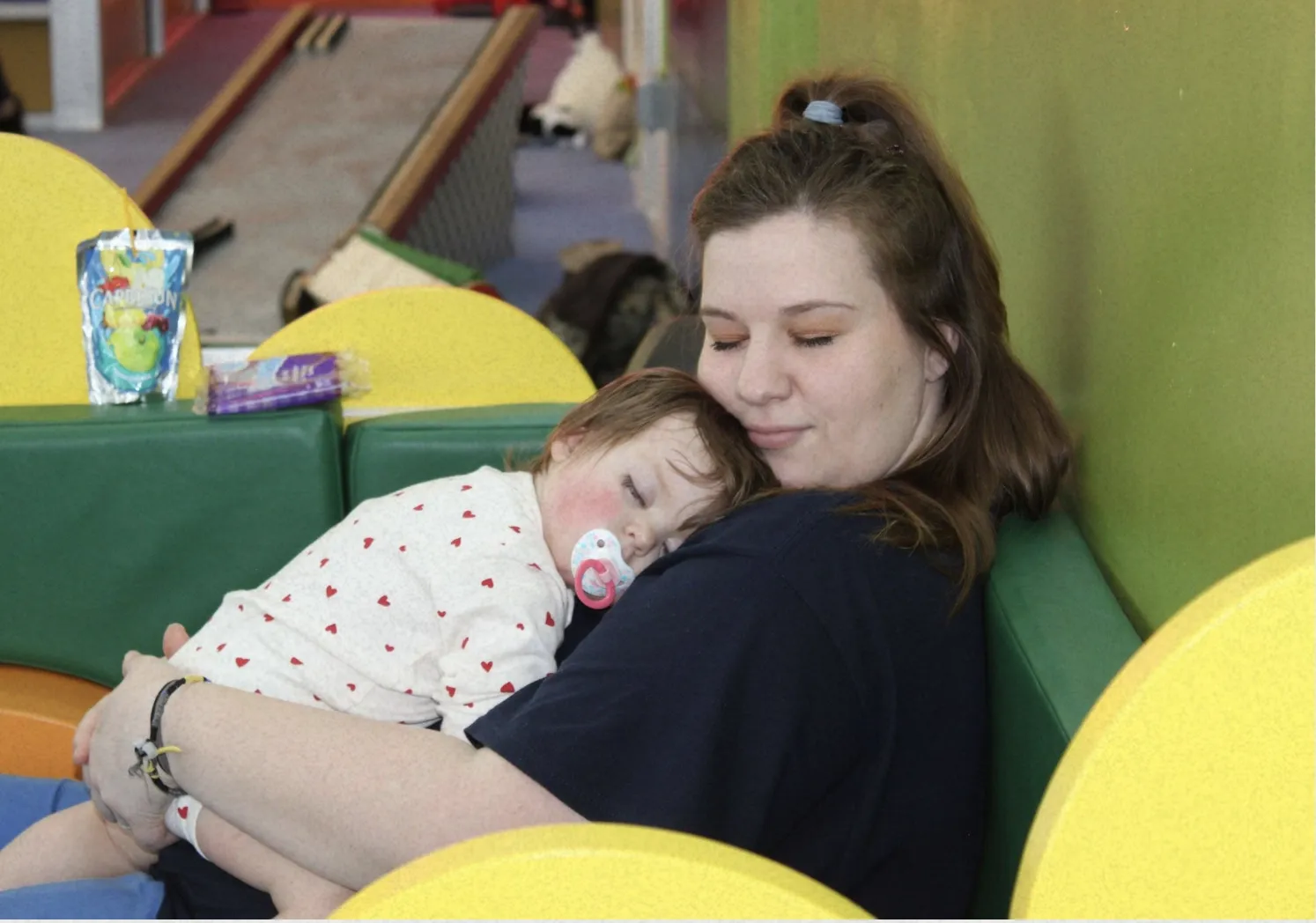
In the News: A Prison Lullaby for Mother’s Day
A Prison Lullaby for Mother’s Day Maurice Chammah, The Marshall Project May 11, 2026 "Lowe and Adeyson now spend time together through...
-
March 9, 2026
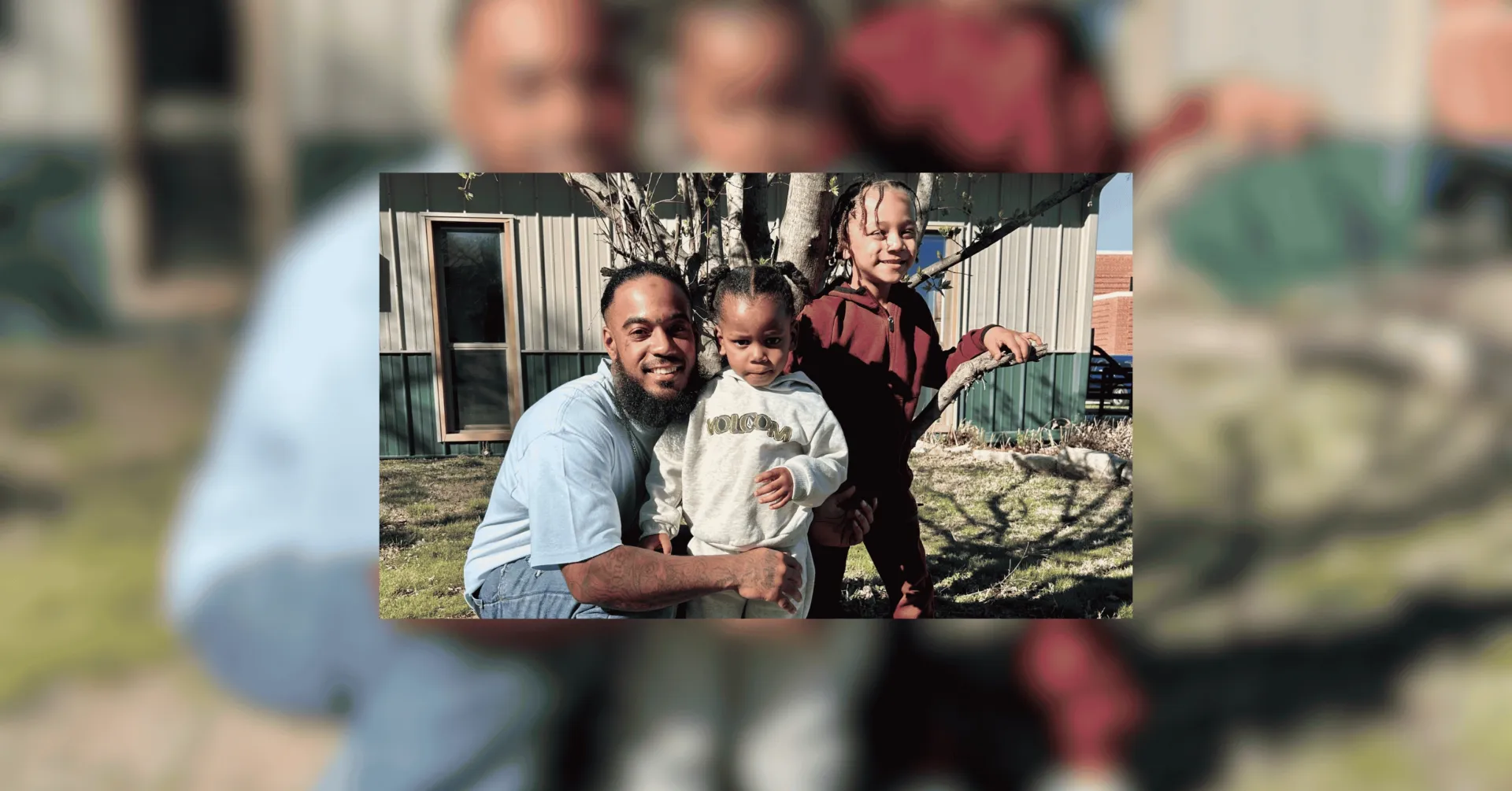
Mobile Play Free: Hutchinson Correctional Facility
Play Free is strengthening the bonds between incarcerated parents and their children through the power of play. March 9, 2026 - A group...
-

June 24, 2025
Connecting Families Through Music
Through the Lullaby Project, parents separated by incarceration are finding new ways to be present in their children’s lives. Connecting...
-
April 2, 2025
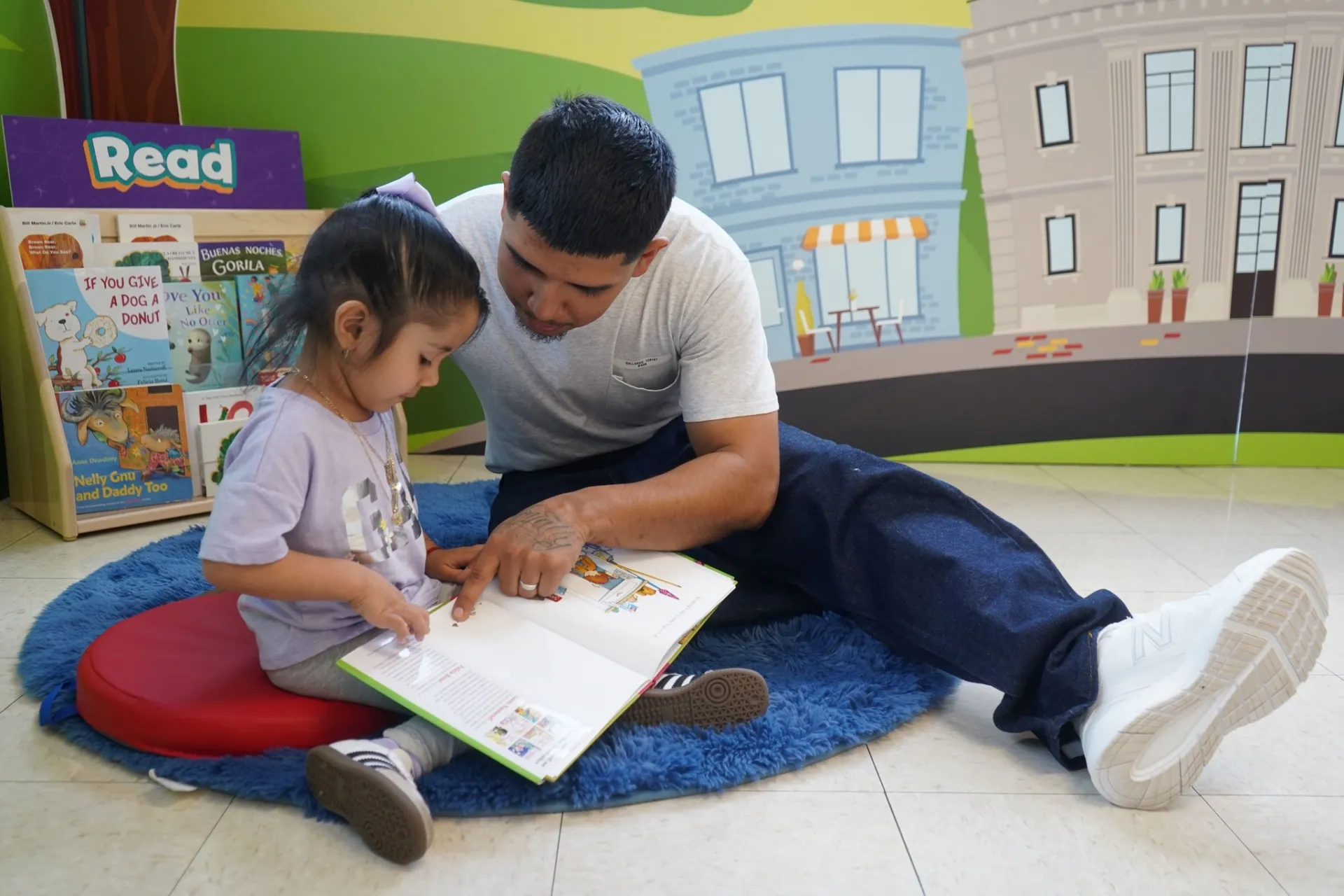
Discovery Center Unveils New Visiting Room at Ellsworth Correctional Facility
For the first time in Kansas, children impacted by parental incarceration will be welcomed into visiting spaces specifically designed to...
-
March 28, 2025
Thank you, Topeka Correctional Facility Residents!
Residents raise funds for Play Free program to support children with incarcerated parents. Residents at Topeka Correctional Facility held...
-
March 19, 2024
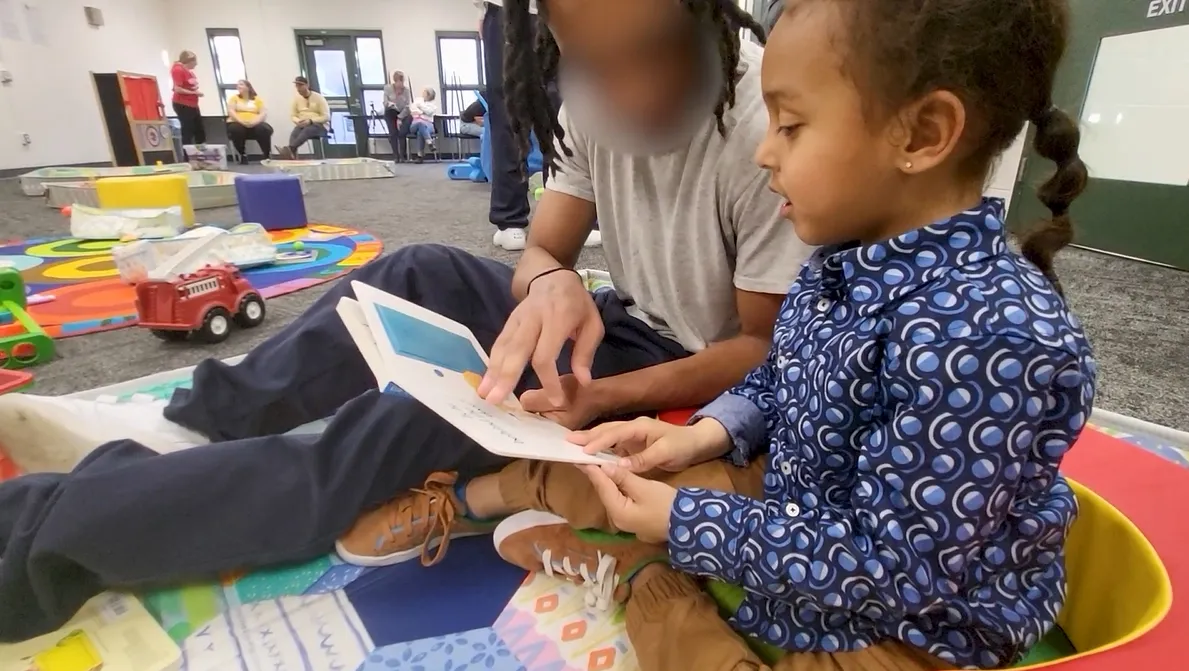
In the News: Play Free at Kansas Juvenile Correctional Complex
Play Free at Kansas Juvenile Correctional Complex David Thompson, Kansas Department of Corrections March 19, 2024 The partnership...
-
January 29, 2024
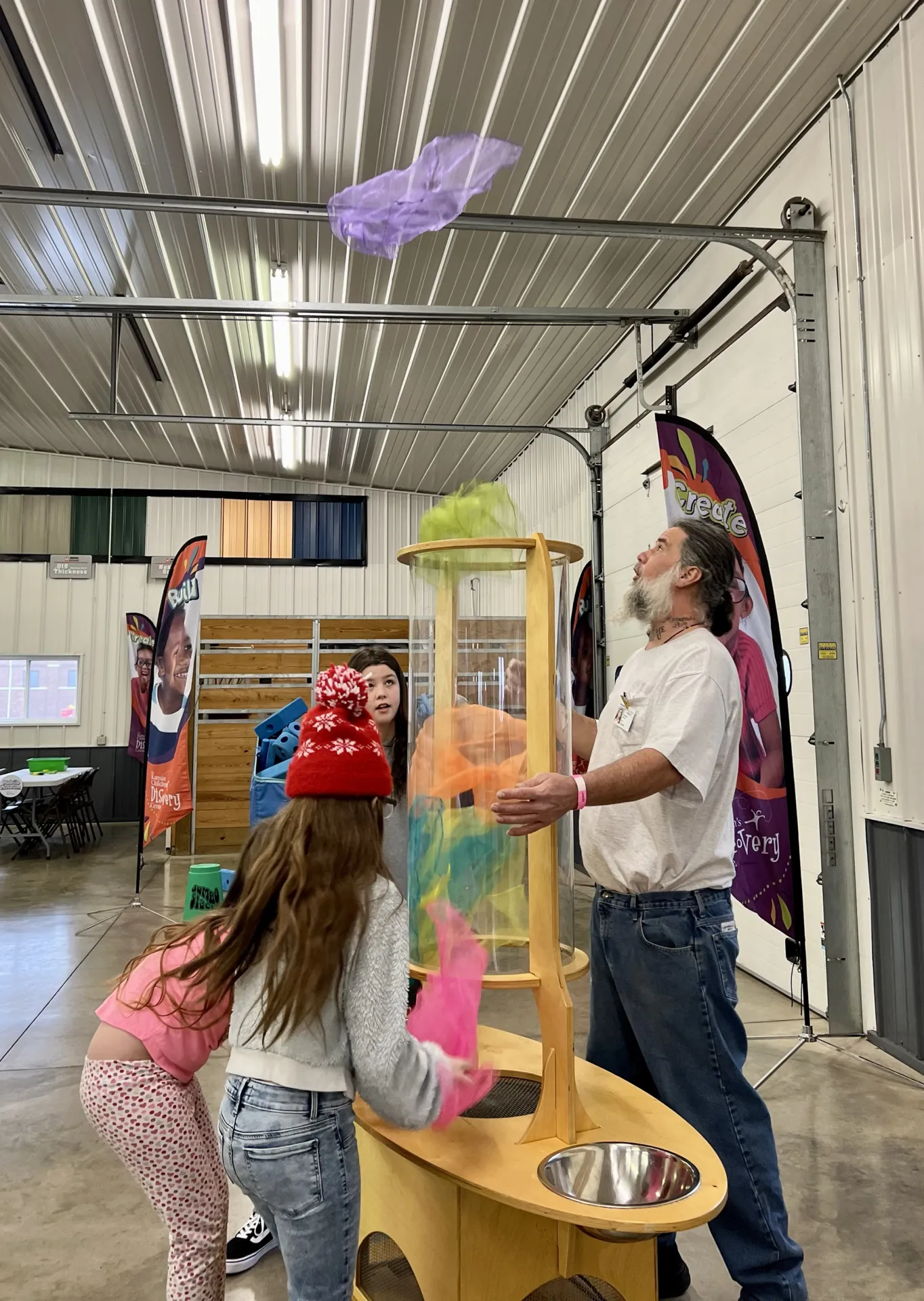
Play Free Prison Program Expands to Serve Dads, Kids
A new chapter in the Kansas Children's Discovery Center's work to serve children with incarcerated parents January 29, 2024 - "Dad!" a...
-
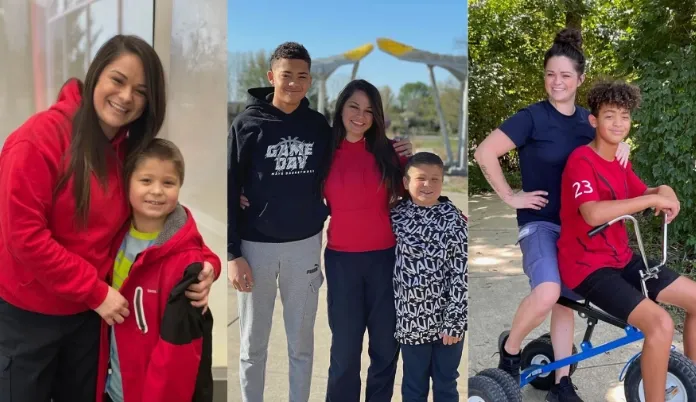
December 29, 2023
In the News: A Kansas prison helps kids bond with their mothers and grandmothers outside prison walls
A Kansas prison helps kids bond with their mothers and grandmothers outside prison walls Blaise Mesa, KCUR November 7, 2023 "Maureen...
-
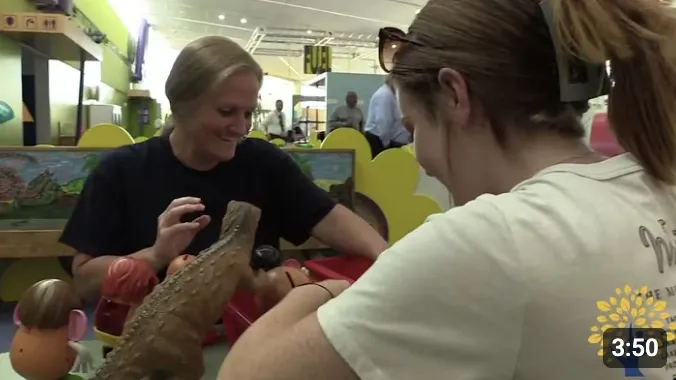
September 13, 2023
In the News: Department of Corrections at Play Free
Department of Corrections at Play Free David Thompson, Kansas Department of Corrections September 13, 2023 "Play Free is a daylong...
-
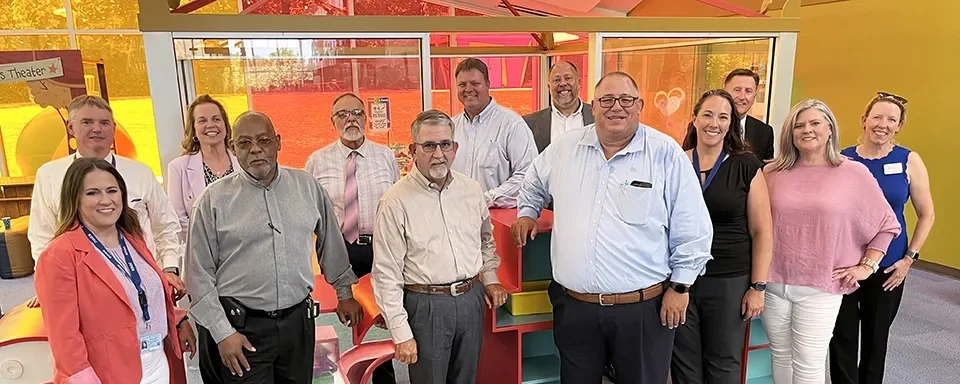
July 14, 2023
Play Free Prison Program Hosts Kansas Wardens
Kansas Wardens experience the power of play July 13, 2023 - The Kansas Children's Discovery Center's Play Free program hosted all wardens...
-
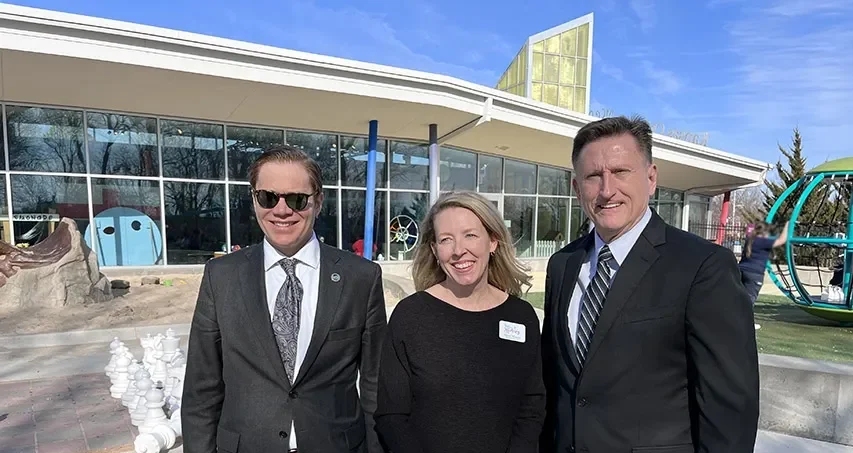
February 6, 2023
Play Free Reaches Milestone
1,000 participants served in the Discovery Center's innovative prison partnership Topeka, Kansas - February 6, 2023 - The Kansas...
-
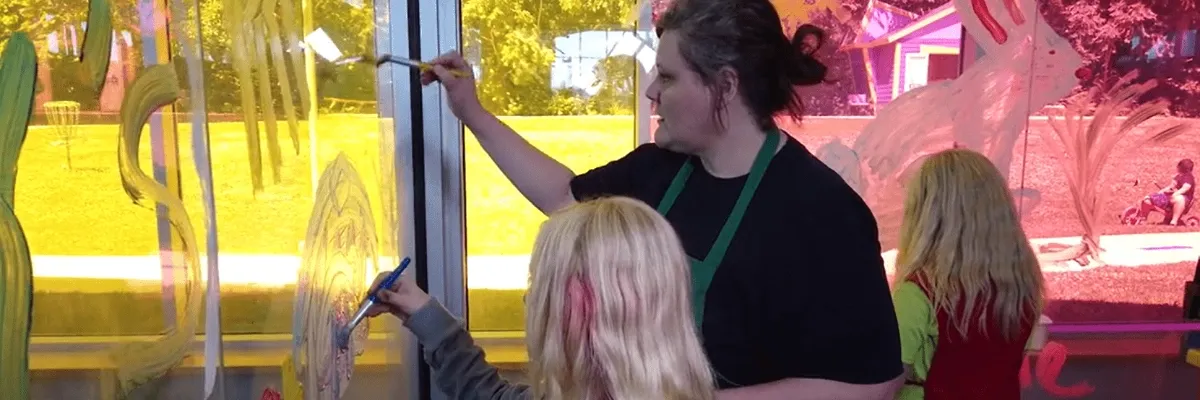
October 14, 2019
New video offers an inside look at a children's museum serving children with incarcerated moms
Topeka, Kansas, September 7, 2019 - A new video offers an inside look at a children's museum serving children with incarcerated moms....
-
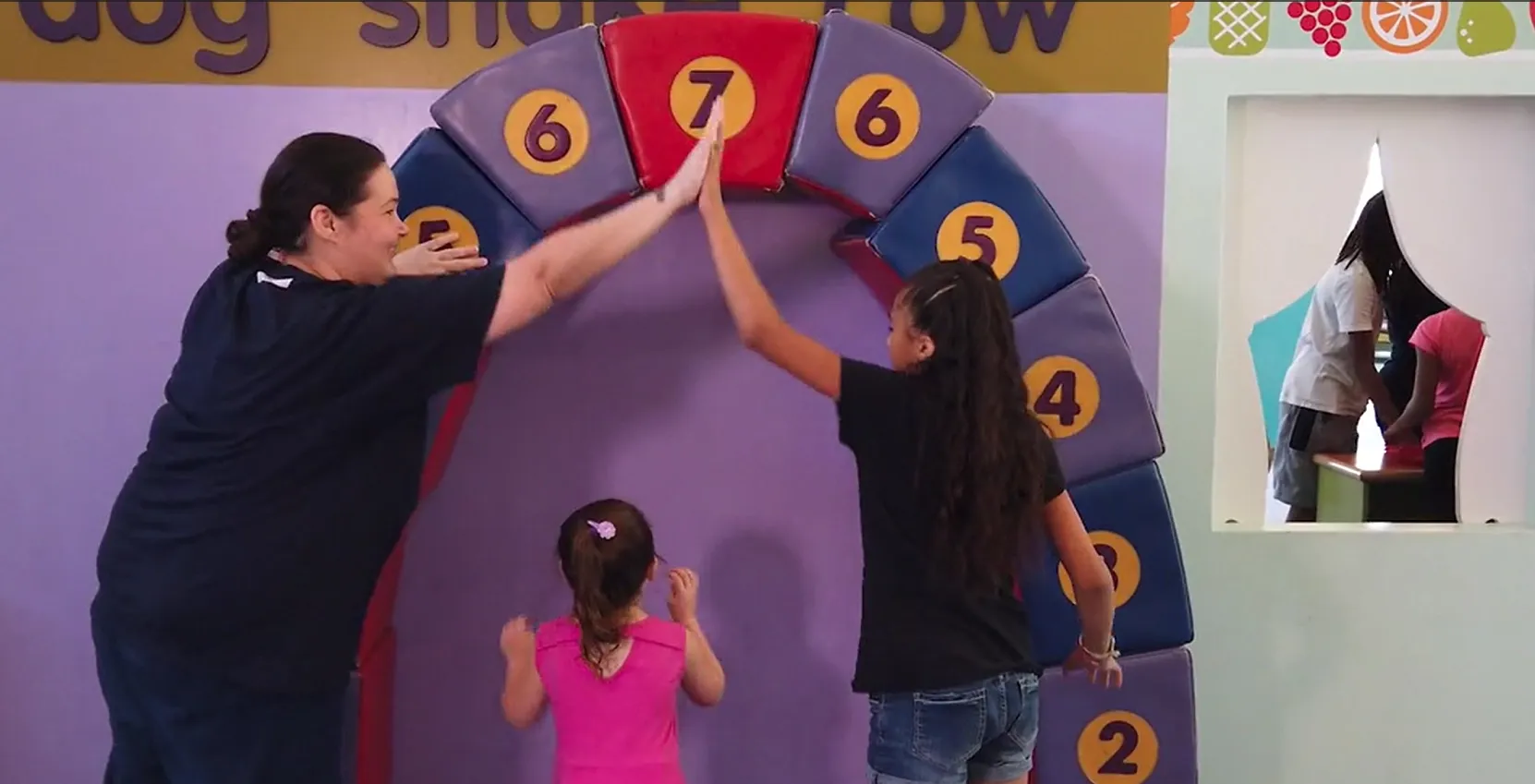
March 18, 2019
Discovery Center on CNN: More mothers are ending up behind bars. Meeting the needs of their children is becoming a bigger priority
More mothers are ending up behind bars. Meeting the needs of their children is becoming a bigger priority Anissa Gray, CNN March 18,...
-
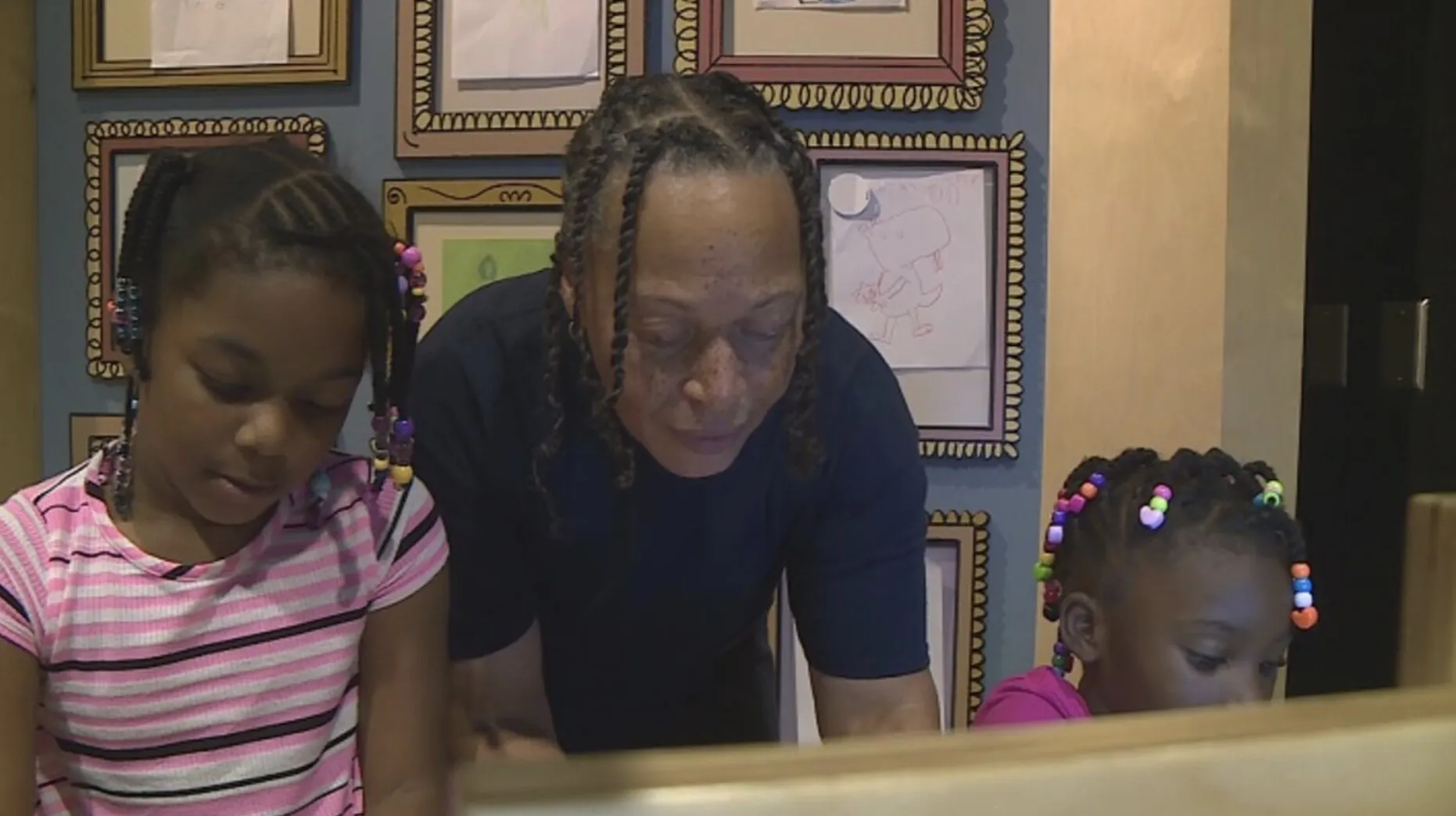
October 1, 2018
In the News: Discovery center welcomes inmates and their kids for day of play
Discovery center welcomes inmates and their kids for day of play Tiernan Shank, WIBW October 1, 2018 "A day of play for parents and...